
Building Workplace Routines

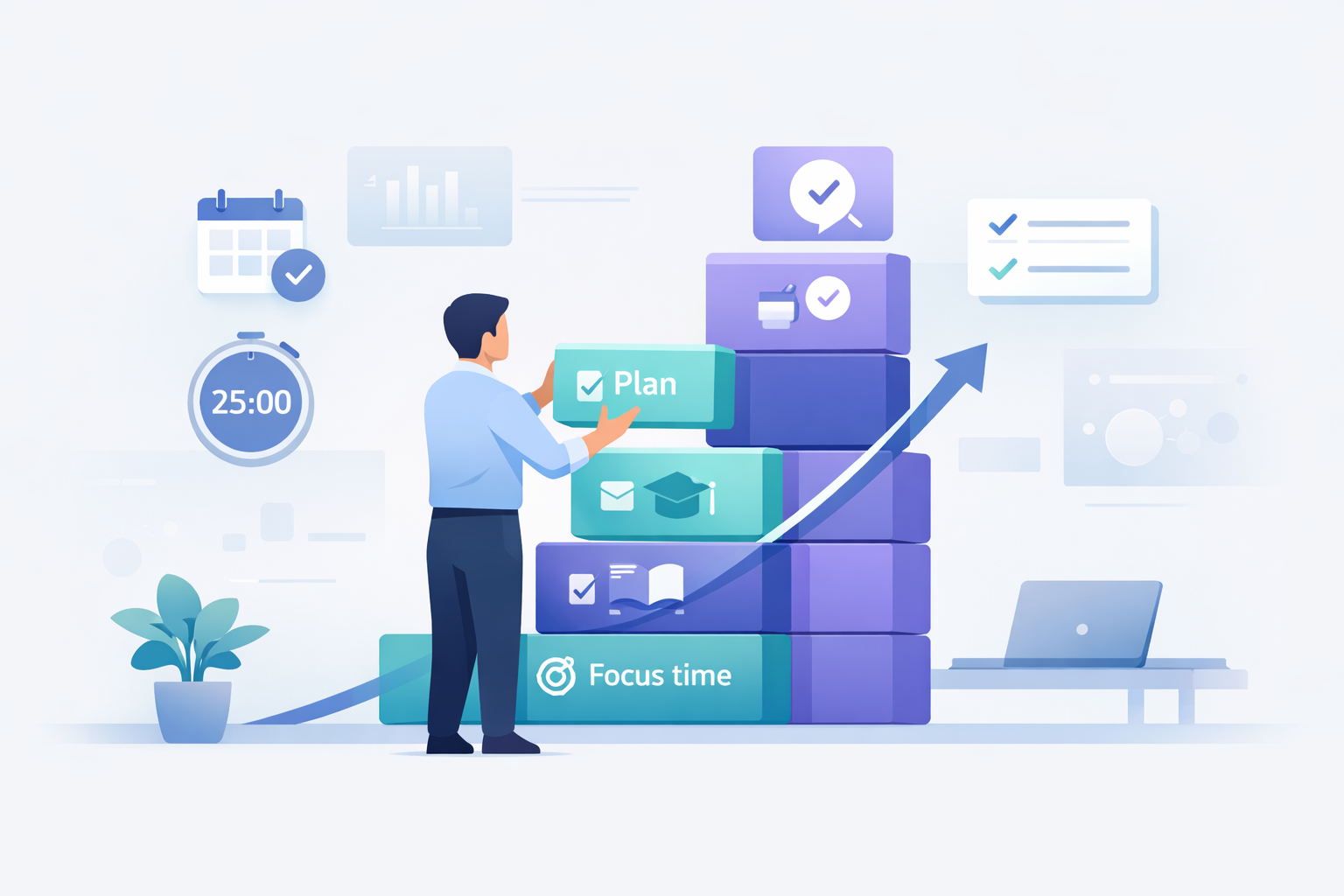
Building sustainable workplace routines is one of the most powerful ways to improve productivity, reduce stress, and create consistent performance across teams. In fast-paced environments where deadlines, meetings, and competing priorities constantly demand attention, routines provide structure and clarity. They transform good intentions into repeatable behaviors and help individuals move from reactive work patterns to deliberate, focused execution.
At its core, a workplace routine is not about rigid schedules or excessive control. It is about creating predictable systems that make high performance easier and more automatic. When routines are thoughtfully designed, they reduce decision fatigue, increase accountability, and create space for meaningful work instead of constant firefighting.
Start With Clear Intent
The first step in building workplace routines is identifying the habits that will meaningfully improve performance. Rather than trying to overhaul everything at once, it is far more effective to focus on a small number of high-impact behaviors. These might include starting the day with a structured prioritization process, conducting weekly reflection reviews, scheduling uninterrupted deep work blocks, or running more effective one-on-one meetings.
Clarity matters because vague goals rarely translate into sustained action. When individuals define exactly what they want to improve and why it matters, routines become purposeful rather than mechanical. This intentionality increases follow-through and ensures that routines align with broader professional and organizational goals.
Translate Goals Into Structured Actions
Once the desired habits are clear, the next step is to translate them into specific, achievable actions. Broad ambitions such as “be more productive” or “improve communication” must be broken down into concrete behaviors. For example, improving productivity might involve planning the next day’s tasks every evening before logging off, while enhancing communication might require preparing structured agendas before every meeting.
Breaking habits into smaller actions reduces overwhelm and creates early wins. When employees see tangible progress, motivation strengthens naturally. Over time, repeated small actions compound into meaningful behavioral shifts.
Design a Practical Plan
Routines do not emerge automatically; they require deliberate planning. A strong routine includes clarity on when it will be performed, how long it will take, and what triggers it. Anchoring new behaviors to existing work patterns makes them easier to sustain. For instance, a team might begin every Monday with a 20-minute priority alignment discussion, or a manager might review team metrics every Friday afternoon before closing the week.
Planning also requires realism. Workplace routines must integrate into existing responsibilities rather than compete with them. Short, focused actions that fit within the flow of work are far more sustainable than elaborate systems that feel burdensome.
Start Small and Build Consistency
One of the most common mistakes in workplace transformation is attempting too much change at once. Sustainable routines are built gradually. Starting with one or two behaviors allows individuals to focus their energy and attention effectively. Once a routine becomes automatic, additional habits can be layered on without overwhelming the system.
Consistency matters more than intensity. A brief daily prioritization ritual practiced consistently will outperform occasional large planning sessions that are abandoned under pressure. Over time, small daily actions solidify into professional identity and cultural norms within teams.
Measure and Reflect on Progress
Tracking progress plays a crucial role in sustaining routines. When individuals and teams can see evidence of improvement, commitment deepens. Reflection does not have to be complicated; it can be as simple as reviewing completed tasks, assessing meeting effectiveness, or examining weekly performance metrics.
Organizations that embed visibility into their learning and development systems often see stronger adoption. For example, platforms like Linear emphasize short daily learning sessions and habit reinforcement to build lasting capability, reporting completion rates above 75% compared to the 12% industry average . This kind of structured reinforcement demonstrates how measurement and repetition convert learning into routine behavior.
Build Accountability and Support
Workplace routines are strengthened through shared accountability. When teams commit to routines together, social reinforcement increases follow-through. Managers play a particularly important role in modeling structured behaviors, whether through running consistent one-on-ones, setting clear expectations, or openly reviewing goals and outcomes.
Support systems can be formal or informal, but they must encourage reflection and adjustment. Peer discussions, leadership check-ins, or structured cohort-based learning environments create shared ownership of growth and ensure that routines do not fade under pressure.
Review and Adjust Continuously
No routine should remain static. As roles evolve and business priorities shift, routines must adapt accordingly. Regular review allows individuals to refine their systems, eliminate inefficiencies, and double down on behaviors that generate results. This iterative approach ensures that routines remain aligned with real-world demands rather than becoming outdated rituals.
When organizations encourage continuous refinement, they create cultures of deliberate execution. Employees move beyond reactive task completion and begin operating with clarity and intention.
Turning Repetition Into Performance
The true power of workplace routines lies in repetition. Repeated behaviors become habits, and habits shape performance. When teams consistently prioritize effectively, communicate clearly, reflect regularly, and hold one another accountable, productivity becomes a natural outcome rather than a forced effort.
Building workplace routines is not about adding more to an already full schedule. It is about designing better systems within the time that already exists. With thoughtful planning, gradual implementation, and consistent reinforcement, routines transform from small daily actions into a sustained competitive advantage for both individuals and organizations.
If you would like to explore how structured, habit-based learning can support routine-building across your teams, you can review the Introduction to Linear here: .
Subscribe to our newsletter
Transform your organization’s learning culture — one 10-minute session at a time.
Related posts
The Forgetting Curve: The Real Reason Workplace Learning Fails
Building Workplace Routines
